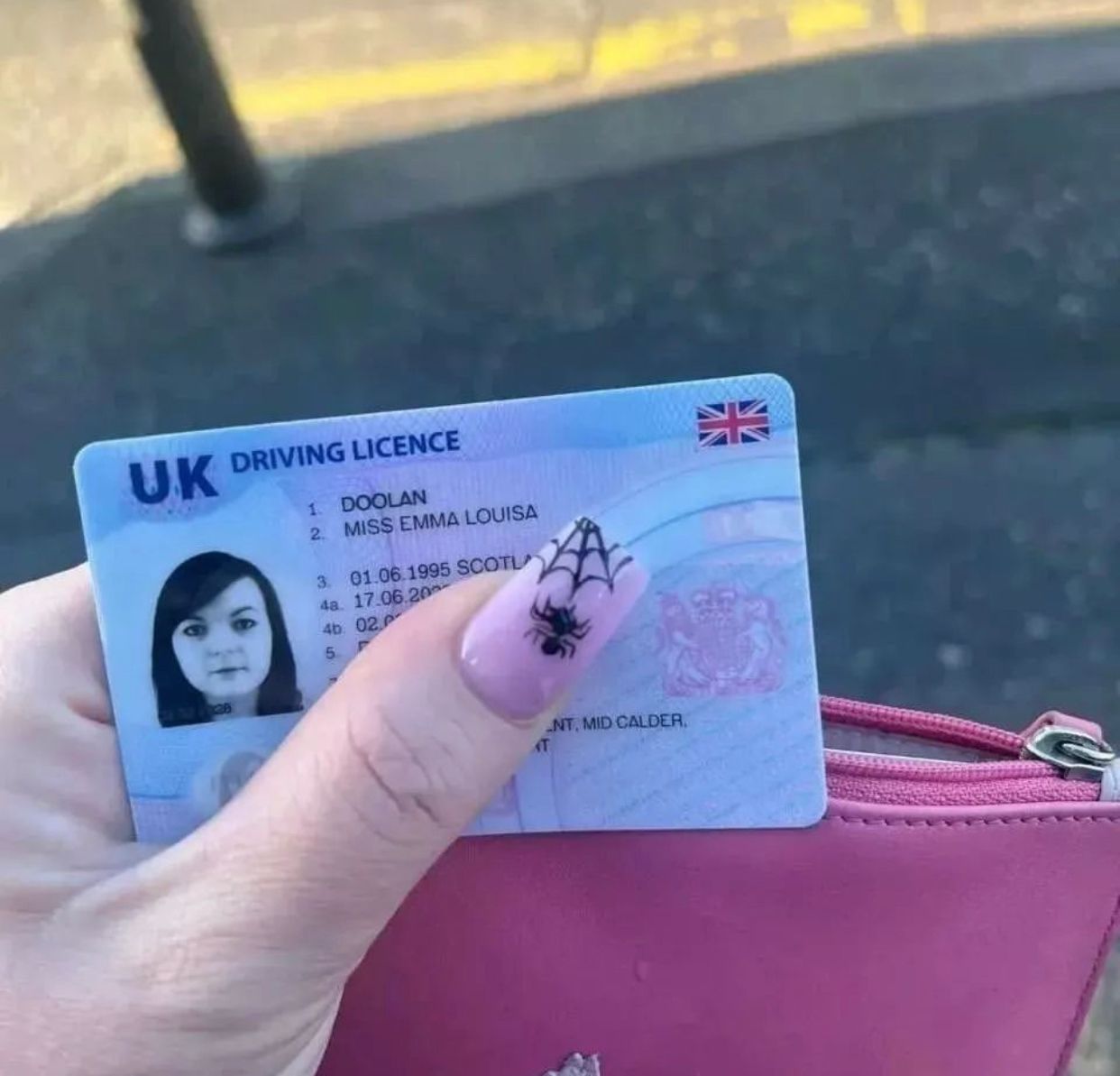
11 Ways To Totally Defy Your British Driving Licence


Understanding the British Driving Licence: A Comprehensive Guide
The British driving licence is an essential document for anybody wishing to drive a car in the United Kingdom. This post will explore the types of driving licences offered, the process of obtaining one, and crucial regulations drivers must abide by. Additionally, we will look into common questions surrounding the British driving licence.
Kinds Of British Driving Licences
The UK uses a number of kinds of driving licences tailored to different car categories. Below is a table summarizing these categories:
| Licence Category | Car Type | Age Requirement | Special Conditions |
|---|---|---|---|
| Classification A | Motorbike | 24 (or 21 with A2 licence for restricted power) | Must complete a bike training course (CBT) |
| Category B | Automobiles | 17 | Should pass theory and driving tests |
| Classification C | Big products cars (LGVs) | 18 | Needs special medical requirements |
| Category D | Buses | 24 | Needs comprehensive training |
| Category E | Trailers attached to vehicles | Varies based on Category B, C, or D | Extra tests may be needed |
Provisional Licences
Before acquiring a complete driving licence, individuals normally begin with a provisional licence, enabling them to practice driving under certain conditions. Here's what you need to know:
- Eligibility: You can obtain a provisionary licence when you are 15 years and 9 months old, however you can not drive a vehicle till you are 17.
- Limitations: Drivers need to be accompanied by a certified driver and screen L plates on the lorry.
The Process of Obtaining a British Driving Licence
Acquiring a British driving licence includes a number of steps, which can be broken down as follows:
Step 1: Get a Provisional Licence
To obtain a provisionary licence, follow these steps:
- Eligibility Check: Ensure you meet the age and residency requirements.
- Application: Apply online at the UK Government website or via post using a kind available from the post office.
- Charge: Pay the application fee (presently around ₤ 34 online or ₤ 43 by post).
- ID Verification: Provide a valid form of recognition, such as a passport.
Step 2: Take the Theory Test
The theory test consists of two parts: multiple-choice questions and a danger understanding test.
- Reserving: Tests can be reserved online for a fee of approximately ₤ 23.
- Preparation: Study the Highway Code, use practice tests, and learn danger perception techniques.
Step 3: Practical Driving Test
Once you effectively pass the theory test, you can schedule your practical driving test.
- Reserving: Tests can be scheduled online; expenses around ₤ 62 on weekdays.
- Requirements: You need to have a legitimate provisionary licence and an appropriate automobile for the test.
- Test Structure: The dry run consists of automobile safety concerns, driving on different road types, and a regulated area.
Step 4: Receiving Your Full Licence
Upon passing the dry run:
- The examiner will send your test results and provisional licence to the DVLA.
- You will get your full driving licence by mail, generally within 3 weeks.
Essential Rules and Regulations
As soon as a full licence is acquired, drivers must stick to several crucial laws:
- Speed Limits: Vary by road type; typically, 30 miles per hour in built-up areas, 60 mph on single carriageways, and 70 mph on freeways.
- Consume Driving: The legal limit is 80 mg of alcohol per 100 ml of blood; lower limits make an application for particular drivers.
- Insurance: Mandatory for all drivers; guarantee your policy covers the car and any additional drivers.
Points and Penalties
The UK's charge points system might result in fines or disqualification for serious offences. Here's how the points are designated:
| Offence | Points | Fines |
|---|---|---|
| Speeding | 3-6 points | Up to ₤ 1,000 |
| Using a cellphone while driving | 6 points | ₤ 200 |
| Driving under the influence of alcohol | 10 points (+ prospective restriction) | As much as ₤ 2,500 |
Often Asked Questions (FAQ)
1. For how long is a British driving licence legitimate for?
A full British driving licence is normally valid until the age of 70, after which it should be renewed every three years.
2. What should I do if I lose my driving licence?
You must report the loss to the DVLA and make an application for a replacement, which can be done online or by post.
3. Can I drive in the UK with a foreign driving licence?
Visitors can drive in the UK with a foreign driving licence for approximately 12 months. After Buy Driver's License Online , they require to exchange it for a UK licence or obtain one.
4. What makes up an automated driving licence?
An automatic driving licence permits you to drive cars with automated transmissions however not manual lorries. It is necessary to discuss this during tests and applications.
5. How can I inspect my driving licence status?
You can examine your driving licence status online via the DVLA website using your driving licence number, nationwide insurance coverage number, and postal code.
The British driving licence system is created to make sure roadway safety and promote accountable driving. By comprehending the numerous kinds of licences, the application process, and the rules of the roadway, drivers can navigate the intricacies of driving in the UK better. Whether you're looking to obtain your very first licence or just wish to refresh your knowledge, this guide offers a thorough summary of what to anticipate in the journey ahead.
As always, stay informed and drive safely!